History
Bünde: The History of Germany's Cigar Town
Bünde, a town in North Rhine-Westphalia, became Germany's "Zigarrenstadt" (cigar town) in the 19th century, and by 1900 it had more than 20 cigar factories.
Updated · Cigars Germany Editorial Team
Read About Dannemann →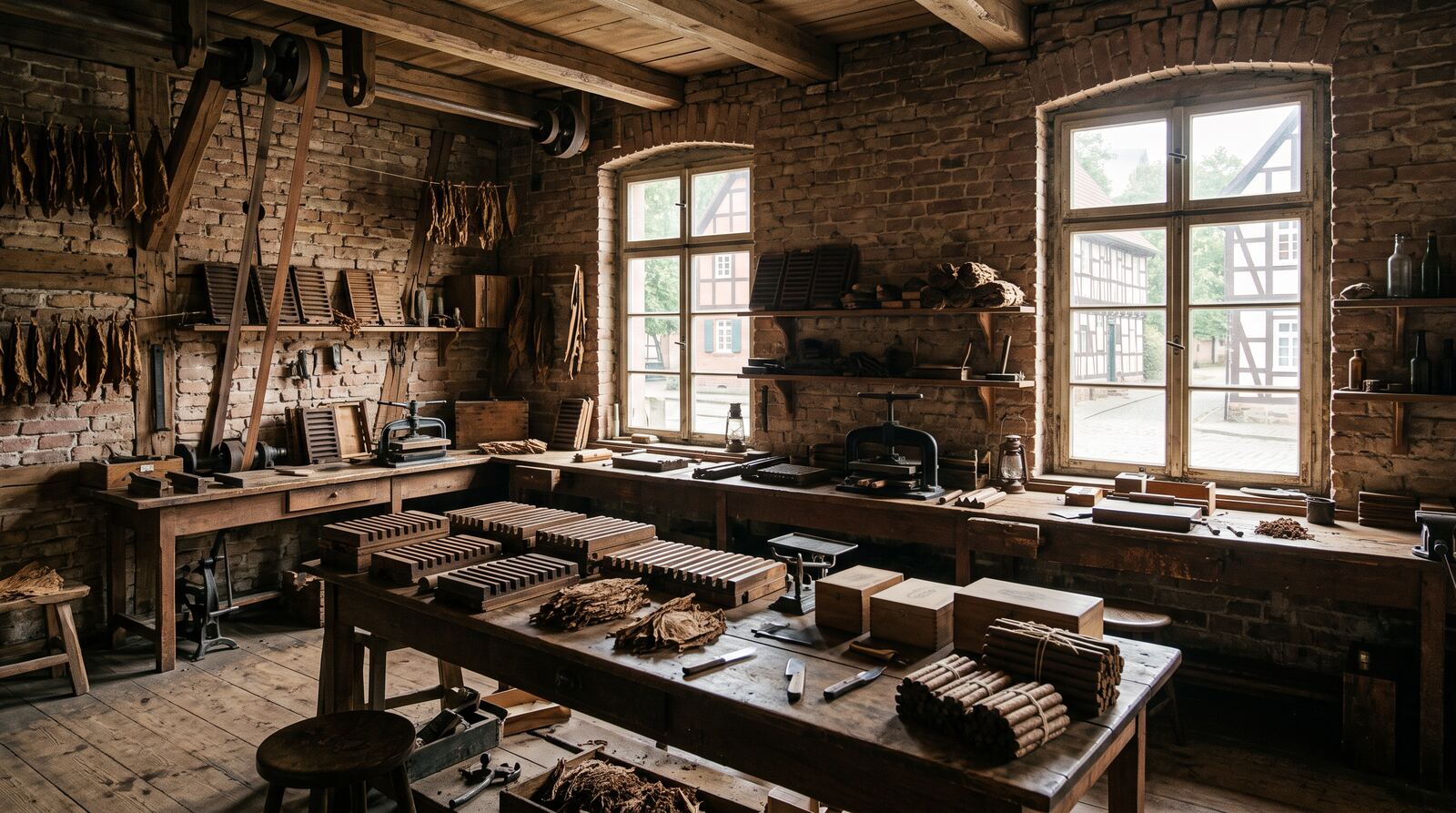
Most cigar capitals sit next to tobacco fields. Bünde does not. It is a small town in the Ravensberg region of eastern Westphalia, far from any plantation, yet for more than a century it was the heart of the German cigar industry. Its story shows how cigar-making in Europe depended on skilled hands, cheap labor and imported leaf.
How It Began
A local man named Georg Meyer laid the groundwork in 1842. The breakthrough came in 1843, when Tönnies Wellensiek, who had learned cigar-making in Bremen, set up a workshop in his parents' house in Ennigloh, now part of Bünde. Within three years he employed eight workers and moved to a larger building in town.
The region had a tradition of linen weaving, and when that trade declined, families needed new work. Rolling cigars by hand needed little equipment and could be done in small workshops or at home, so the industry spread quickly.
Boom Years
- 1862: about 3,000 people worked in Bünde's cigar trade, with more than 2,000 more in branch workshops in the surrounding area.
- 1900: 84 cigar businesses in Bünde employed 3,372 workers, at a time when the town had only about 4,800 residents.
- By around 1900 more than 20 cigar factories were based in Bünde, and a large share of the cigars sold in Germany came from the area.
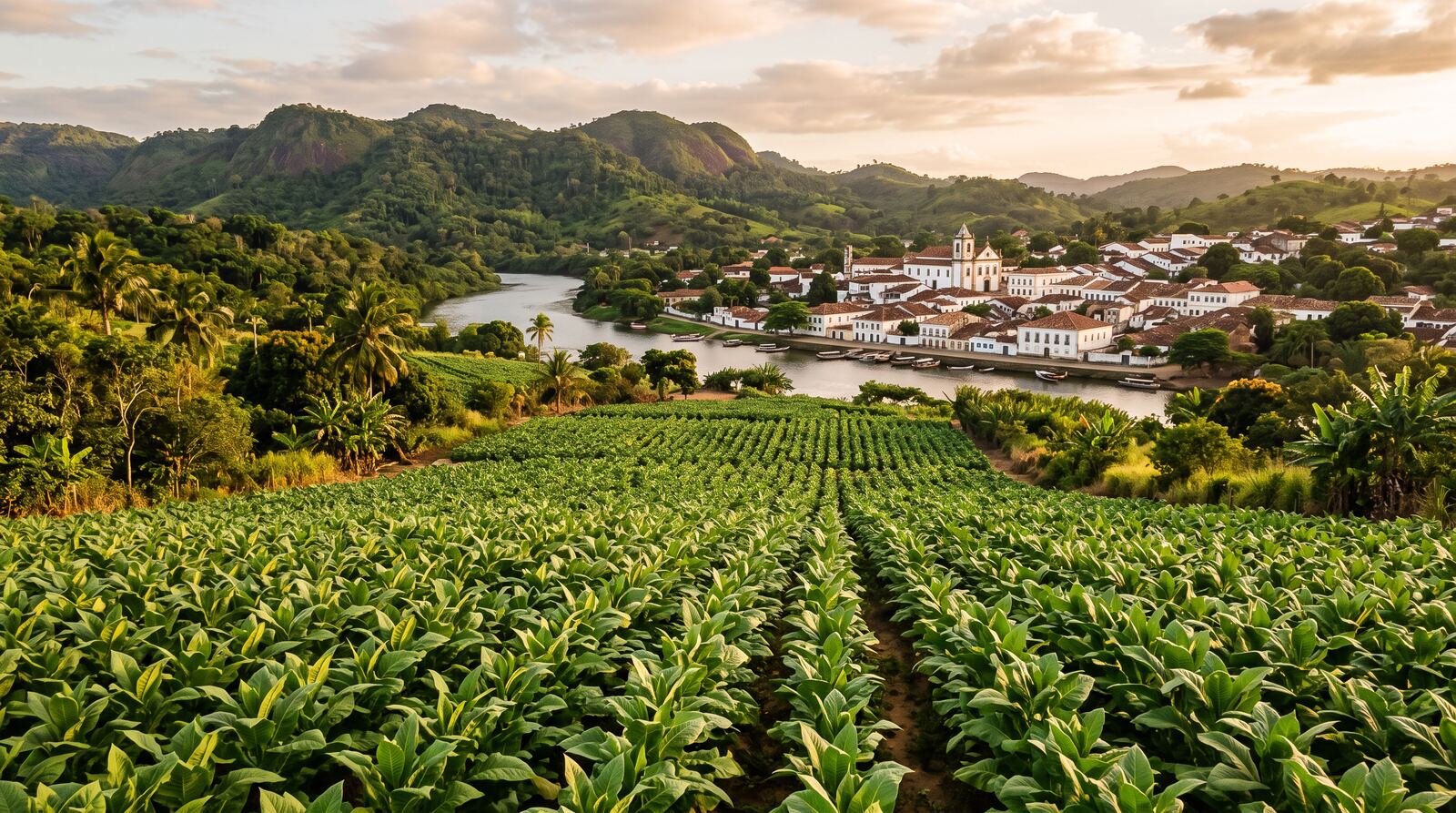
The tobacco itself came through the ports of Bremen and Hamburg from the Americas and from the Dutch East Indies (today Indonesia).
Arnold André Arrives
Arnold André, founded in Osnabrück in 1817, moved to Bünde in 1851 and grew into the town's largest employer. In the 1950s and 1960s it employed more than 6,000 people. It remains Germany's largest cigar maker; see German cigar brands.
Decline and What Remains
Machines, the rise of cigarettes and changing tastes slowly shrank the industry after World War II. Today only a few cigar companies remain in Bünde: Arnold André, with about 450 employees, August Schuster, and a branch of the Swiss firm Villiger.
The Tobacco and Cigar Museum
The Deutsches Tabak- und Zigarrenmuseum (German Tobacco and Cigar Museum) has told the story of tobacco processing in the Bünde area since 1937. It is part of the Museum Bünde. Its collection includes historic pipes from around the world, a smokable pipe more than 3.5 meters long and a smokable cigar more than one meter long. Check the museum's opening hours before visiting.
Life in the Workshops
Most early cigar work in Bünde was done by hand in small rooms, often by whole families. Workers sorted leaf, rolled bunches and wrapped them, paid by the piece. Home workshops let families combine cigar work with farming, and many villages around Bünde had their own small branch workshops. As machines arrived in the 20th century, most of this hand work disappeared.
Visiting Bünde
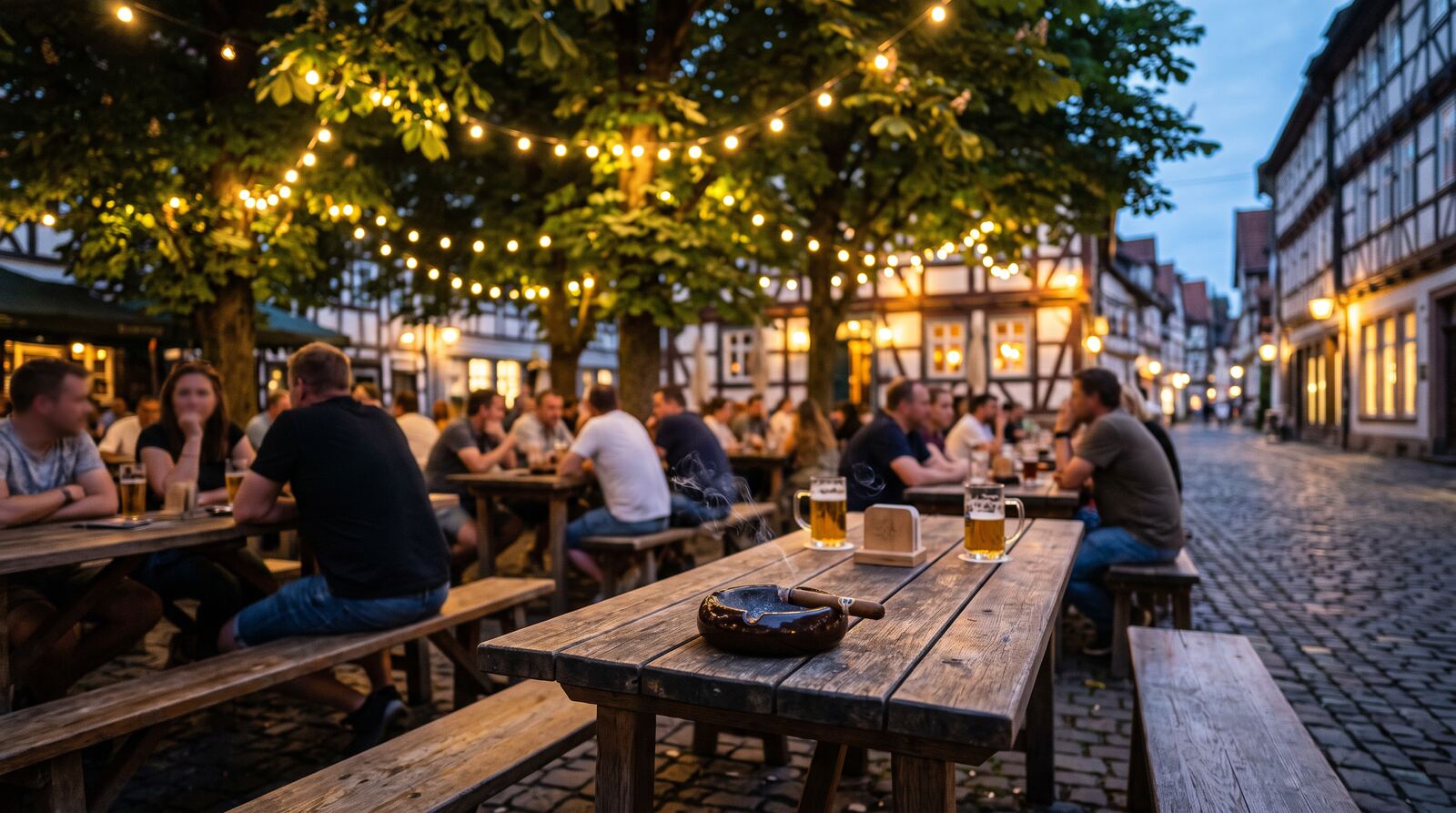
Bünde lies between Bielefeld and Osnabrück and is reachable by regional train. Combine a museum visit with Lübbecke, home of Dannemann's German operation, a short drive away. Before lighting up anywhere, read smoking in Germany; North Rhine-Westphalia has one of the strictest bar smoking bans in the country.
Frequently Asked Questions
Why is Bünde called the cigar town?
In the 19th century Bünde became the center of German cigar-making; by 1900 it had more than 20 cigar factories and over 3,000 cigar workers.
Who started the cigar industry in Bünde?
Georg Meyer laid the groundwork in 1842; Tönnies Wellensiek, trained in Bremen, opened his workshop in 1843.
Is there a cigar museum in Bünde?
Yes. The German Tobacco and Cigar Museum, part of the Museum Bünde, has operated since 1937.
Which cigar companies are still in Bünde?
Arnold André, August Schuster and a branch of Villiger.
Where does Bünde's tobacco come from?
It has always been imported, historically through Bremen and Hamburg from the Americas and Indonesia.